

🐶 What to Do if Your Dog Has Megaesophagus? Essential Guide for Owners

If your dog has just been diagnosed with megaesophagus, it is normal to feel a bit lost and worried. At Mega-Dog, we know this well because we have gone through it with our own furry companion. That is why we want to share this practical guide with you, based on our own experience and well-established veterinary information, to help you better care for your four-legged friend.
⚠️ Important note: Although these tips can help you a lot, remember that they should never replace the specific recommendations of your veterinarian.
📌 What exactly is megaesophagus?
Megaesophagus is a condition in which the dog’s esophagus loses its normal movement, dilating and greatly hindering food from reaching the stomach. This can cause frequent regurgitation, malnutrition, and even more serious complications such as aspiration pneumonia.
🥄 Essential feeding management
This aspect is key and fundamental to help your dog live comfortably and reduce risks:
✅ Feeding in an upright positionUse a Bailey chair or a homemade support that allows your dog to stay upright at an angle of at least 45° while eating.After each meal, keep this posture for 10 to 30 minutes to ensure that the food passes into the stomach.
✅ Proper diet consistencyConsult your veterinarian to choose the ideal texture for your dog. Some options include:Thick pureesLiquid or semi-liquid foodsSmall meatballs that can be swallowed wholeAlways experiment under veterinary supervision until you find what your dog tolerates best.
✅ Small and frequent mealsDivide the daily food into 3 or 4 small portions.Avoid large meals that may promote regurgitation.
✅ Rest after mealsAfter eating, avoid physical activities or intense play for at least 30 minutes.
💊 Complementary medical treatments
Depending on the cause of the megaesophagus, your veterinarian may recommend different treatments:If there is an underlying disease (such as myasthenia gravis, hypothyroidism, or Addison’s disease), treating that condition is essential.
Some prokinetic medications can help stimulate esophageal movement. In certain cases, drugs such as sildenafil (Viagra) have shown benefits. Always discuss this option with your veterinarian.If there is a vascular abnormality (such as persistent right aortic arch), corrective surgery may be possible.
However, surgical interventions are usually reserved only for specific cases.
🔍 Monitoring and preventing complications
Always watch for:Frequent regurgitationPersistent coughDifficulty breathing or abnormal soundsUnexplained weight loss
Aspiration pneumonia is a serious complication that can result from constant regurgitation. If you notice worrying respiratory symptoms, contact your veterinarian immediately.
🗓️ Regular veterinary follow-up
Periodic visits to the veterinarian are essential to:Evaluate the progress of the condition.Adjust treatment if necessary.Control and prevent possible complications.
📈 What is my dog’s prognosis?
The prognosis depends greatly on the type and cause of the megaesophagus:Congenital megaesophagus: In some puppies it may improve as they grow.Acquired megaesophagus (adults): Generally irreversible, but it can be managed very well with proper care.Idiopathic megaesophagus: Its prognosis is usually more uncertain, but many dogs can live happily with consistent care.
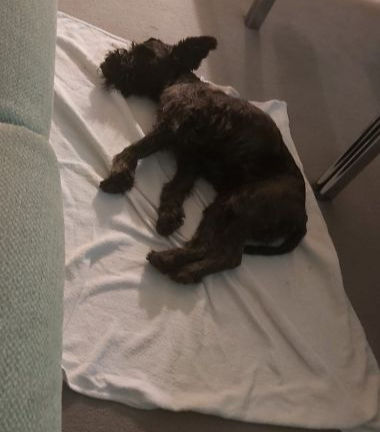
❤️ Seek support, you are not alone
Caring for a dog with megaesophagus requires patience and perseverance. That is why emotional support and practical advice from people going through the same thing are so important. At Mega-Dog, we want to be part of that community that accompanies you on this journey.
👉 Do you have experiences you would like to share or questions about how to better manage this condition? Join our community and share your story.
Remember: early detection, patience, and careful management can significantly improve your dog’s quality of life.
Health and Good Luck!!!!!


Comments